
Best Practices for Year-End Accounting
Tips for a Smooth Financial Close
As the year comes to an end, businesses face one of the most critical financial periods: year-end accounting close.
A well-managed year-end process helps ensure:
* Accurate financial reporting
* Regulatory compliance
* Better tax planning
* Stronger business decisions for the upcoming year
But without proper preparation, year-end accounting can quickly become stressful and chaotic.
The good news?
With the right processes and planning, your financial close can be accurate, compliant, and stress-free.
Why Year-End Accounting Matters
Year-end accounting is more than just “closing the books.”
It gives your business:
* A complete picture of financial health
* Insights into profitability and cash flow
* Clean records for audits and tax filings
* A strong foundation for future planning
Done correctly, it helps you start the new year with clarity and confidence.
Best Practices for a Smooth Year-End Close
1. Start Early Don’t Wait Until the Last Minute
One of the biggest mistakes businesses make is delaying year-end preparation.
Start reviewing:
* Financial statements
* Outstanding invoices
* Expense records
* Payroll data
well before year-end deadlines.
Why it matters:
Early preparation reduces errors and last-minute pressure.
2. Reconcile All Accounts
Account reconciliation is essential for accurate reporting.
Review and reconcile:
* Bank accounts
* Credit cards
* Vendor balances
* Loan accounts
* Payroll liabilities
Goal: Ensure your records match actual balances.
3. Review Accounts Receivable & Payable
Outstanding payments can distort your financial position.
Make sure to:
* Follow up on unpaid invoices
* Review overdue payables
* Write off bad debts if necessary
This keeps your books realistic and clean.
4. Organize Financial Documents
A smooth year-end close depends on proper documentation.
Ensure all:
* Receipts
* Bills
* Tax documents
* Contracts
* Payroll records
are properly stored and accessible.
5. Verify Tax Compliance
Tax errors during year-end can be costly.
Review:
* Payroll tax filings
* Sales tax records
* Estimated tax payments
* Employee and contractor classifications
Staying compliant now avoids penalties later.
6. Review Fixed Assets & Depreciation
Check whether:
* Assets were purchased or disposed during the year
* Depreciation schedules are updated
* Asset values are accurate
This directly impacts financial statements and taxes.
7. Prepare Accurate Financial Reports
Generate and review:
* Profit & Loss Statement
* Balance Sheet
* Cash Flow Statement
These reports help assess your business performance and support strategic planning.
8. Evaluate Internal Processes
Year-end is also the perfect time to improve operations.
Ask:
* Which processes caused delays?
* Where did errors occur?
* What can be automated?
Continuous improvement leads to a more efficient finance function.
9. Leverage Automation & Technology
Modern accounting tools simplify year-end closing.
Use cloud-based systems to:
* Automate reconciliations
* Track expenses
* Generate reports faster
* Improve collaboration
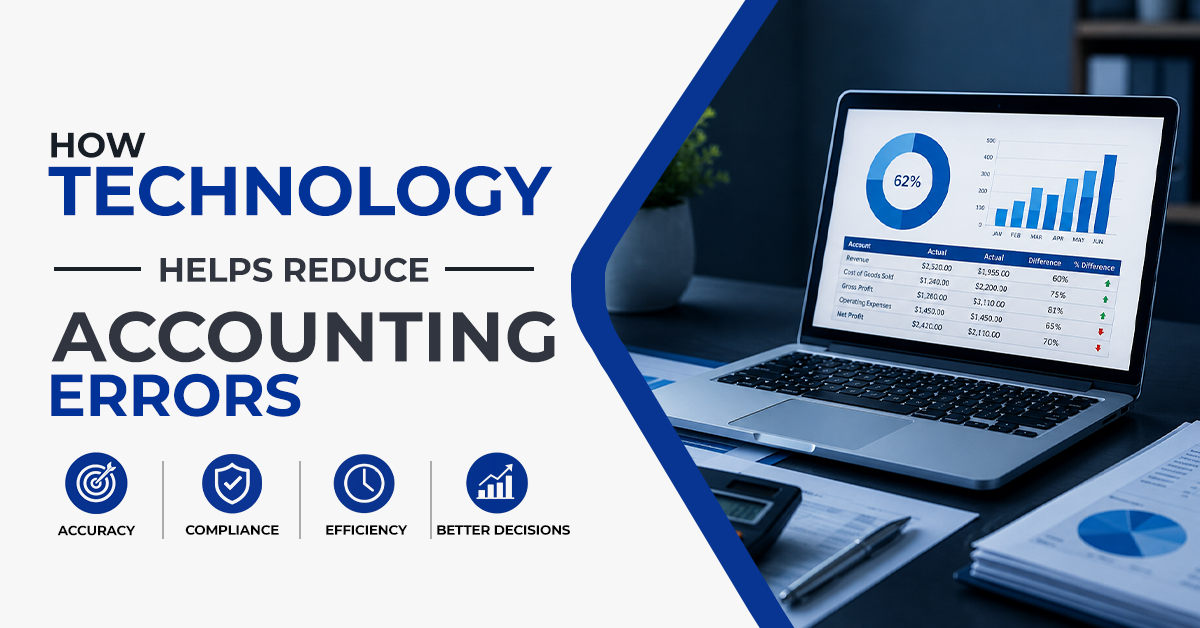
Automation reduces manual errors and saves valuable time.
10. Work with Accounting Professionals
Year-end accounting can become overwhelming especially for growing businesses.
Professional support helps ensure:
* Accuracy
* Compliance
* Timely reporting
* Better financial insights
A trusted accounting partner can make the entire process significantly smoother.
Common Year-End Accounting Mistakes to Avoid
Avoid these common pitfalls:
❌ Delaying reconciliations
❌ Missing supporting documents
❌ Ignoring small discrepancies
❌ Poor communication with finance teams
❌ Waiting until tax deadlines approach
Small mistakes can create major problems later.
Final Thoughts
Year-end accounting doesn’t have to be stressful.
With proper planning, organized processes, and the right support, businesses can close the year confidently and prepare for stronger growth ahead.
The goal is simple:
✅ Accurate books
✅ Full compliance
✅ Better financial clarity
Need Help with Your Year-End Close?
At X10 Work, we help businesses simplify year-end accounting with reliable, accurate, and scalable finance support.
From reconciliations to reporting and compliance, our team ensures your financial close is smooth from start to finish.
👉 Contact us today to prepare for a stress-free year-end close.
Back to All Blogs
As the year comes to an end, businesses face one of the most critical financial periods: year-end accounting close.
A well-managed year-end process helps ensure:
* Accurate financial reporting
* Regulatory compliance
* Better tax planning
* Stronger business decisions for the upcoming year
But without proper preparation, year-end accounting can quickly become stressful and chaotic.
The good news?
With the right processes and planning, your financial close can be accurate, compliant, and stress-free.
Why Year-End Accounting Matters
Year-end accounting is more than just “closing the books.”
It gives your business:
* A complete picture of financial health
* Insights into profitability and cash flow
* Clean records for audits and tax filings
* A strong foundation for future planning
Done correctly, it helps you start the new year with clarity and confidence.
Best Practices for a Smooth Year-End Close
1. Start Early Don’t Wait Until the Last Minute
One of the biggest mistakes businesses make is delaying year-end preparation.
Start reviewing:
* Financial statements
* Outstanding invoices
* Expense records
* Payroll data
well before year-end deadlines.
Why it matters:
Early preparation reduces errors and last-minute pressure.
2. Reconcile All Accounts
Account reconciliation is essential for accurate reporting.
Review and reconcile:
* Bank accounts
* Credit cards
* Vendor balances
* Loan accounts
* Payroll liabilities
Goal: Ensure your records match actual balances.
3. Review Accounts Receivable & Payable
Outstanding payments can distort your financial position.
Make sure to:
* Follow up on unpaid invoices
* Review overdue payables
* Write off bad debts if necessary
This keeps your books realistic and clean.
4. Organize Financial Documents
A smooth year-end close depends on proper documentation.
Ensure all:
* Receipts
* Bills
* Tax documents
* Contracts
* Payroll records
are properly stored and accessible.
5. Verify Tax Compliance
Tax errors during year-end can be costly.
Review:
* Payroll tax filings
* Sales tax records
* Estimated tax payments
* Employee and contractor classifications
Staying compliant now avoids penalties later.
6. Review Fixed Assets & Depreciation
Check whether:
* Assets were purchased or disposed during the year
* Depreciation schedules are updated
* Asset values are accurate
This directly impacts financial statements and taxes.
7. Prepare Accurate Financial Reports
Generate and review:
* Profit & Loss Statement
* Balance Sheet
* Cash Flow Statement
These reports help assess your business performance and support strategic planning.
8. Evaluate Internal Processes
Year-end is also the perfect time to improve operations.
Ask:
* Which processes caused delays?
* Where did errors occur?
* What can be automated?
Continuous improvement leads to a more efficient finance function.
9. Leverage Automation & Technology
Modern accounting tools simplify year-end closing.
Use cloud-based systems to:
* Automate reconciliations
* Track expenses
* Generate reports faster
* Improve collaboration
Automation reduces manual errors and saves valuable time.
10. Work with Accounting Professionals
Year-end accounting can become overwhelming especially for growing businesses.
Professional support helps ensure:
* Accuracy
* Compliance
* Timely reporting
* Better financial insights
A trusted accounting partner can make the entire process significantly smoother.
Common Year-End Accounting Mistakes to Avoid
Avoid these common pitfalls:
❌ Delaying reconciliations
❌ Missing supporting documents
❌ Ignoring small discrepancies
❌ Poor communication with finance teams
❌ Waiting until tax deadlines approach
Small mistakes can create major problems later.
Final Thoughts
Year-end accounting doesn’t have to be stressful.
With proper planning, organized processes, and the right support, businesses can close the year confidently and prepare for stronger growth ahead.
The goal is simple:
✅ Accurate books
✅ Full compliance
✅ Better financial clarity
Need Help with Your Year-End Close?
At X10 Work, we help businesses simplify year-end accounting with reliable, accurate, and scalable finance support.
From reconciliations to reporting and compliance, our team ensures your financial close is smooth from start to finish.
👉 Contact us today to prepare for a stress-free year-end close.